Showing posts with label 21st CCLC. Show all posts

Monday, August 06, 2012

21st CCLC Summer Institute

Last week we teamed up with the National Afterschool Association to co-host a reception for the 21st Century Community Learning Centers' Summer Institute.  The Louisianna Children's Museum provided a fun environment for us to bring together science-rich institutions and youth development organizations.


At the reception Coalition Director Carol Tang and National Afterschool Association Executive Director Gina Warner expressed support for the work being done towards STEM programming in out-of-school time.

The Coalition for Science After School also held its annual retreat in New Orleans that week, with the purpose of connecting with many science after school stakeholders attending the 21st CCLC Summer Institue.  We are thankful that our friends at the local Partnership for Youth and Development let us use their lovely meeting space for the retreat!
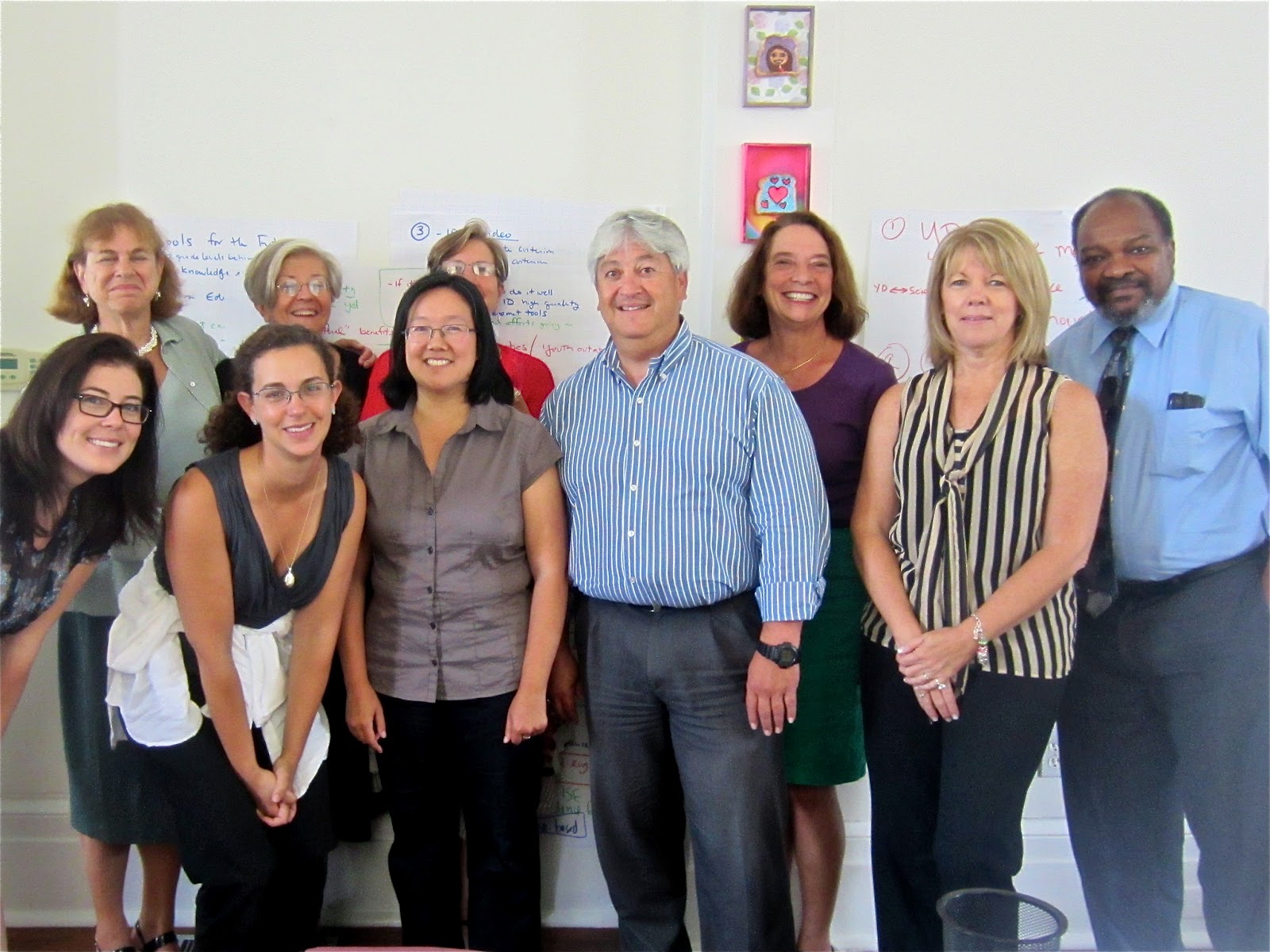

Thank you to everyone who helped make the 21st CCLC Summer Institute a success!

Thursday, October 08, 2009

The White House Star Party Features Informal Learning Activities

If you missed the White House Star Party last night, you can still recreate the activities at home (or in your school or after-school programs). The activities came from the Lunar Planetary Institute's Explore! program, designed specifically for use in libraries and informal learning environments. Explore! has been used in 21st Century Community Learning Center and other after-school programs. Try one or more of these White House Star Party activities with your kids:
  • Impact Crater Activity: The students dropped 4 different sized objects and measured the diameter of the objects and the depth and diameter of the craters.
  • The other activities are harder to recreate. Your local science museum may have some of these. Inflatable planetarium dome presentations, "Rocks from Space" with a touchable moon rock, lunar sample disks, a Mars meteorite display and meteorites from the Smithsonian collection, and scientists to talk with the kids.
Thanks to the NASA JPL Museum Alliance for passing along the information!